

Professionals in the petrochemical industry understand well that sectors involving oil and gas require the use of highly durable and robust equipment. Pallets, essential components in this field, are no exception. Among the various types of pallets, a specific category is designed exclusively for transporting materials used in petrochemical processes, which we’ll examine in detail below.
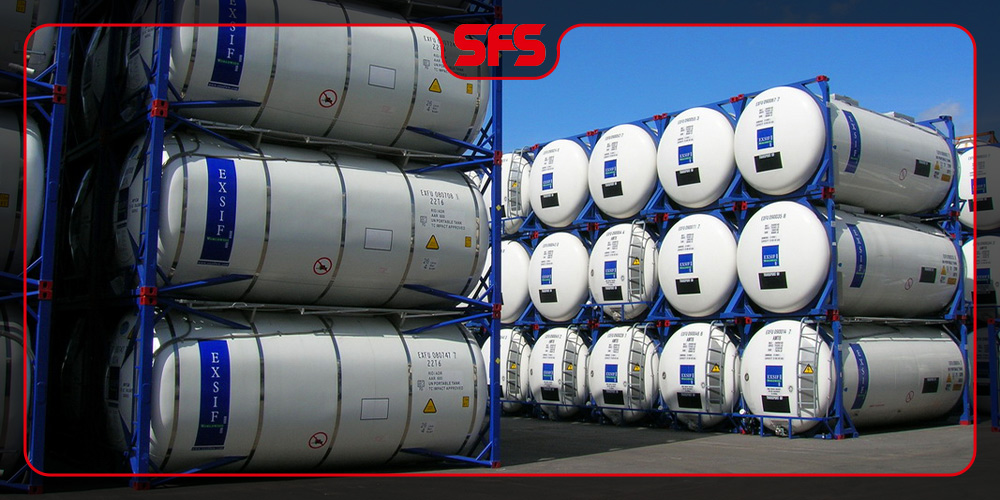
Petrochemical Pallet: Definition and Function
Pallets are vital tools for optimizing storage space and facilitating the efficient movement of heavy goods. The petrochemical pallet is a widely used variant, specifically designed for the handling and transport of materials and equipment used in this industry, particularly powdered and granular substances. These pallets are available in several types, each suited to specific needs.
Types of Petrochemical Pallets
Different pallet types are used depending on the nature of the materials being handled. These include:
-
Metal Pallets: Among the most durable options, metal pallets can be manufactured from a variety of metals such as stainless steel, aluminum, or carbon steel. In cases where corrosion resistance is critical, zinc flake, known for its anti-corrosive properties, can be applied. Otherwise, to minimize cost, non-coated variants are often used.
-
Plastic Pallets: Manufactured from high-density polyethylene (HDPE) or polypropylene (PP), these pallets exhibit remarkable strength despite common perceptions. Due to their washability and resistance to rust, plastic pallets are favored by many industry professionals.
-
Mesh Pallets: Unlike fully enclosed pallets, mesh pallets allow airflow, making them ideal for storing or transporting items that require ventilation.
-
Wooden Pallets: Though less commonly used in the petrochemical sector, certain high-strength wooden pallets are still employed for specific applications.
-
Lidded Pallets: These are typically used for transporting high-value or sensitive goods. The lid provides additional protection, minimizing the risk of damage or contamination.
Key Features of Petrochemical Pallets
To ensure optimal use, petrochemical pallets should be designed with the following features:
-
Resistance to extreme temperatures (high and low)
-
High load-bearing capacity
-
Compatibility with forklifts and hand jacks
-
Impact and corrosion resistance
-
Custom manufacturing based on storage conditions
-
UV resistance for prolonged outdoor use
Standard Dimensions of Petrochemical Pallets
Regardless of the material, plastic, metal, or otherwise, most petrochemical pallets are produced in standardized dimensions:
-
Standard: 110 × 110 cm
-
European: 80 × 120 cm
-
American: 101.6 × 121.9 cm
Applications of Petrochemical Pallets
Petrochemical pallets serve the following primary functions:
-
Storage of final products such as pipes, bottles, and bags
-
Transportation of sensitive chemicals like solvents, acids, and flammable substances
-
Handling of raw petrochemical materials, including powders, granules, and resins
-
Warehouse space optimization and maximizing usable area
Advantages of Petrochemical Pallets
Petrochemical box pallets are engineered with specialized features that make them ideally suited for petrochemical operations. Notable advantages include:
-
Hygienic Design: These pallets can be easily cleaned and disinfected, helping to maintain sanitary conditions and prevent contamination.
-
Efficient Handling: Designed for seamless movement via cranes or forklifts, they also allow for stackable storage.
-
Product Safety: Built to the highest standards of strength and durability, these pallets ensure safe transport. Lidded models offer additional protection from dust, pollutants, and mechanical damage.
Buying the Right Petrochemical Pallet
Professionals in the petrochemical industry must consider several key factors when selecting the right pallet:
-
Product Type: The pallet must match the type of material being transported, be it plastic, metal, or wood.
-
Product Weight: The heavier the load, the more robust the pallet should be.
-
Product Dimensions: Pallet size should correspond with the size of the items being stored or transported.
-
Environmental Conditions: Environmental factors, such as the potential for corrosion, dictate whether plastic or anti-rust metal pallets are more suitable.
Final Word
Pallets are indispensable tools in industrial logistics, enhancing warehouse efficiency and facilitating safe transportation. Petrochemical pallets, available in metal, plastic, mesh, wood, and lidded formats, are specially designed to meet the demanding requirements of the petrochemical sector.
When purchasing, it’s crucial to balance cost with quality. Opting for cheap, low-quality pallets may save money upfront, but can lead to significant expenses and operational risks in the long term.

