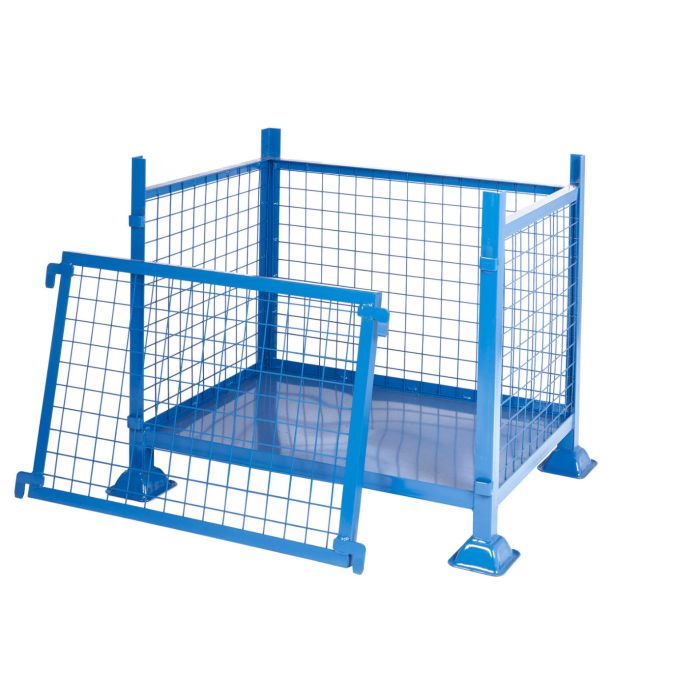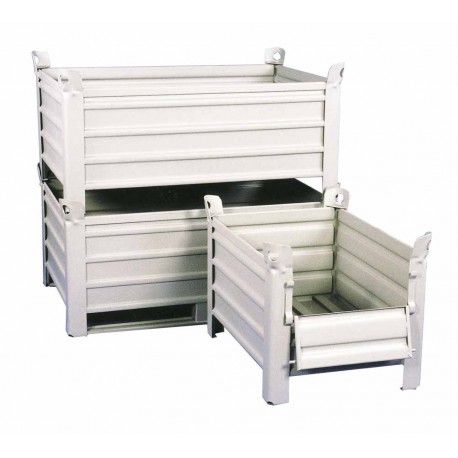
The pallet box is one of the most important industrial tools in the fields of warehousing and logistics, used for the safe storage and transportation of goods.
This product, which is constructed from a combination of a pallet base and protective enclosures, allows for organized stacking, easy transport, and optimal protection of goods.
Thanks to their intelligent design, pallet boxes not only enhance safety during product handling but also significantly save warehouse space and reduce logistics costs.
With their high load-bearing capacity and multi-tier stacking capability, they have become one of the most widely used tools across various industries.
Key Advantages of Pallet Boxes:
- Usable in various industries and applications
- Full protection of goods against impact and damage
- Multi-tier stacking and storage capability
- Easy transport with forklift and pallet jack
- Washable and disinfectable
- Resistant to humidity and environmental conditions
- Reusable with long service life
Advantages of Using Pallet Boxes: A Revolution in Warehouse and Logistics Management
With their unique features, pallet boxes bring numerous benefits to industries and businesses. Below is a detailed analysis of these advantages:
Warehouse Space Optimization
Using pallet boxes enables vertical and multi-tier stacking. This allows for optimal use of the warehouse’s vertical space. With stacking capability up to 4 tiers (depending on the type of pallet box), you can save up to 75% of warehouse space.
Optimal Product Protection
The protective walls of the pallet box safeguard your goods from impacts, pressure, and potential damage. This protection is especially valuable for fragile and sensitive items. Moreover, the robust structure of the pallet box prevents the spilling and scattering of bulk products.
Reduction of Logistics Costs
Pallet boxes are reusable and have a long lifespan, significantly reducing packaging costs. Their standardized dimensions also help optimize load space in trucks and containers, leading to reduced transportation expenses.
Ease of Transport
The standardized design of pallet boxes allows for easy handling with various warehouse equipment such as forklifts, pallet jacks, and stackers. This feature increases warehousing efficiency and reduces labor requirements.
Cleanability and Hygiene
Plastic and metal pallet boxes are washable and can be easily cleaned and disinfected. This feature is especially important in the food, pharmaceutical, and hygiene industries.
Eco-Friendly
Due to their reusability and long service life, pallet boxes are an environmentally friendly option. Moreover, at the end of their life cycle, most pallet boxes are recyclable, helping preserve the environment.
Resistance to Environmental Conditions
Pallet boxes are resistant to moisture, temperature changes, and different weather conditions. This feature enables outdoor storage and use in various climatic environments.
Types of Pallet Boxes: A Complete Guide to Choosing Based on Industrial Needs
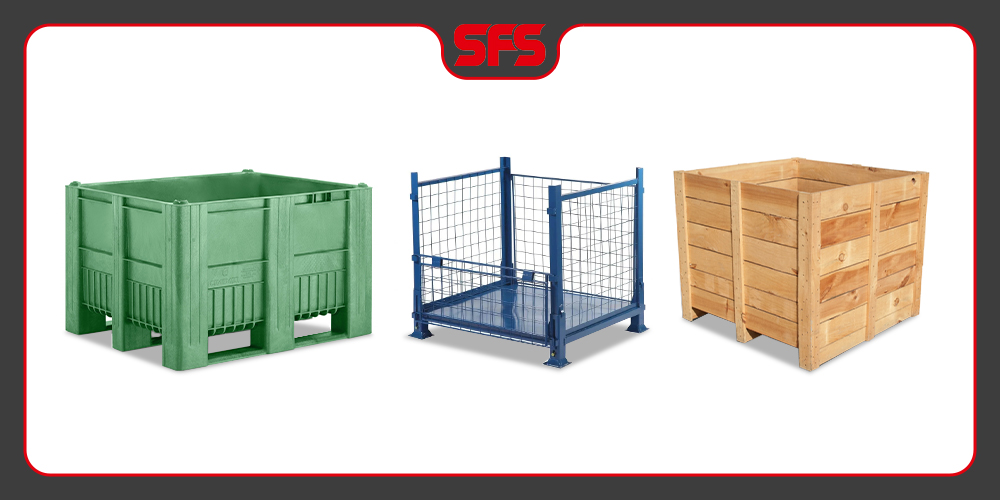
There are three main types of pallet boxes on the market, each with specific features and applications. Here is a detailed review of each:
Metal Pallet Box
Metal pallet boxes with a solid steel structure are the best choice for heavy-duty industrial applications.
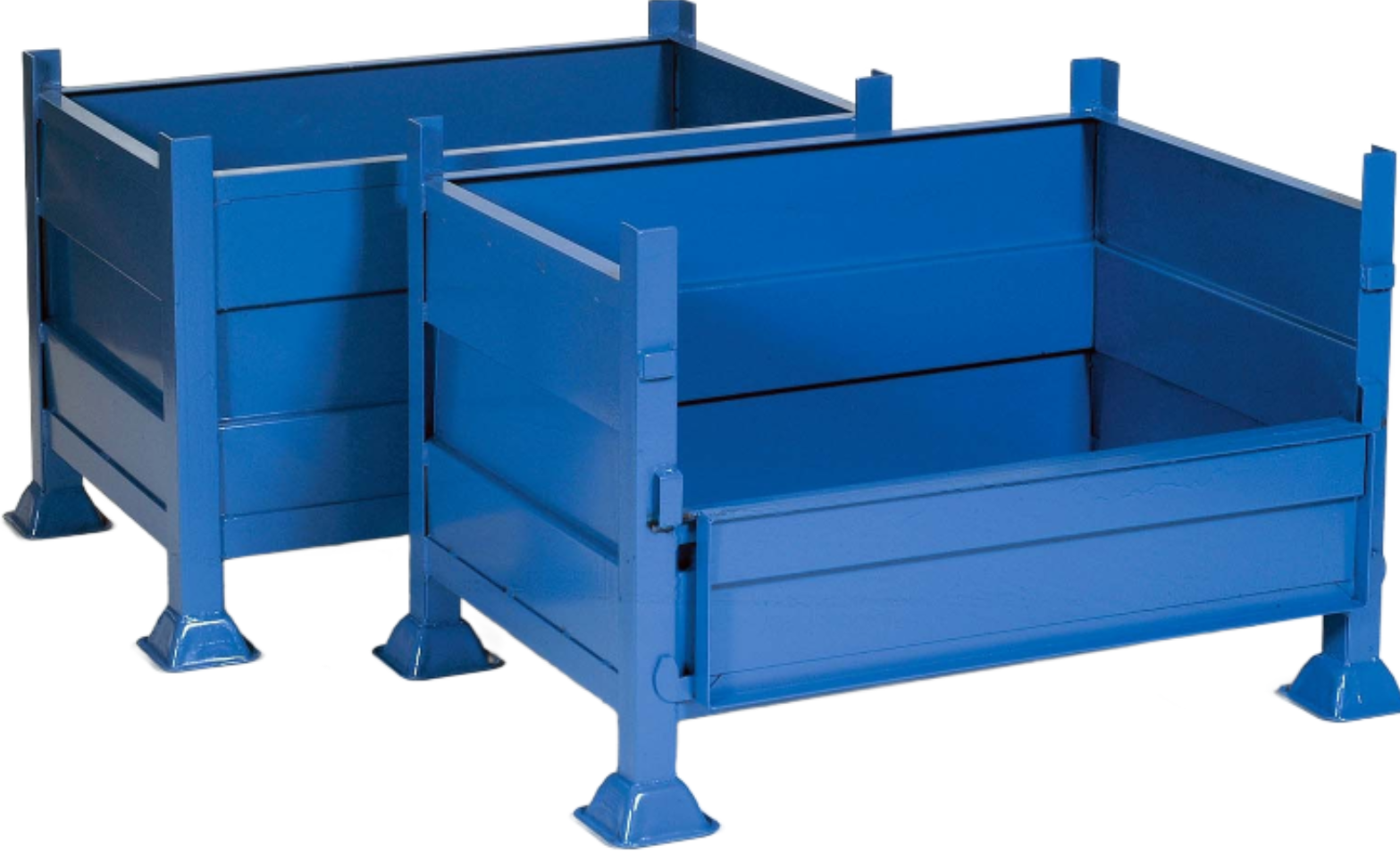
Features of this type of pallet box:
- High weight-bearing capacity (up to 2000 kg)
- Exceptional resistance to impact and pressure
- Long lifespan and high durability
- Suitable for outdoor storage
- Easy to maintain and repair
Plastic Pallet Box
Plastic pallet boxes, with their lightweight design and high chemical resistance, are an excellent choice for the food and pharmaceutical industries.

Features include:
- Lightweight and easy to transport
- Resistant to chemicals and corrosion
- Washable and disinfectable
- Does not absorb moisture or odors
- Suitable for hygienic environments
- More cost-effective than metal versions
Wooden Pallet Box
Wooden pallet boxes are an economical option for temporary and short-term use.
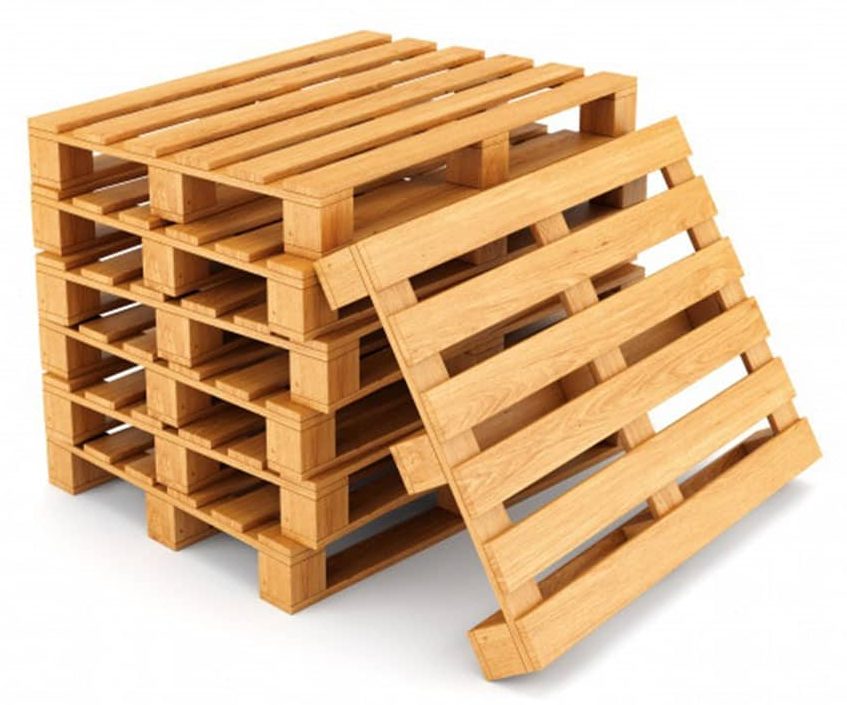
Features include:
- Affordable price
- Medium weight
- Easy to repair
- Suitable for use in dry environments
- Customizable dimensions
Comparison Table of Pallet Box Types
| Feature | Metal | Wooden | Plastic |
| Weight Capacity | Very high | Medium | Medium |
| Durability | Excellent | Medium | Good |
| Price | High | Low | Medium |
| Weight | Heavy | Medium | Light |
| Chemical Resistance | Good | Weak | Excellent |
| Washability | Good | Weak | Excellent |
| Useful Life | +10 years | 2-3 years | Useful life |