

Steel reinforcement bars (plain rebars) are among the most critical components used in any construction project. Without them, structural operations in any building project would come to a halt. One of the primary reasons for the widespread use of rebar in construction is to compensate for the low tensile strength of concrete.
Naturally, producing reinforced concrete is not the sole application of steel rebar. Depending on the manufacturing standard, rebar is categorized as either deformed or plain (smooth) rebar, among other classifications. The price of rebar varies accordingly. In this article, we will examine the price of plain rebar and how to purchase it.
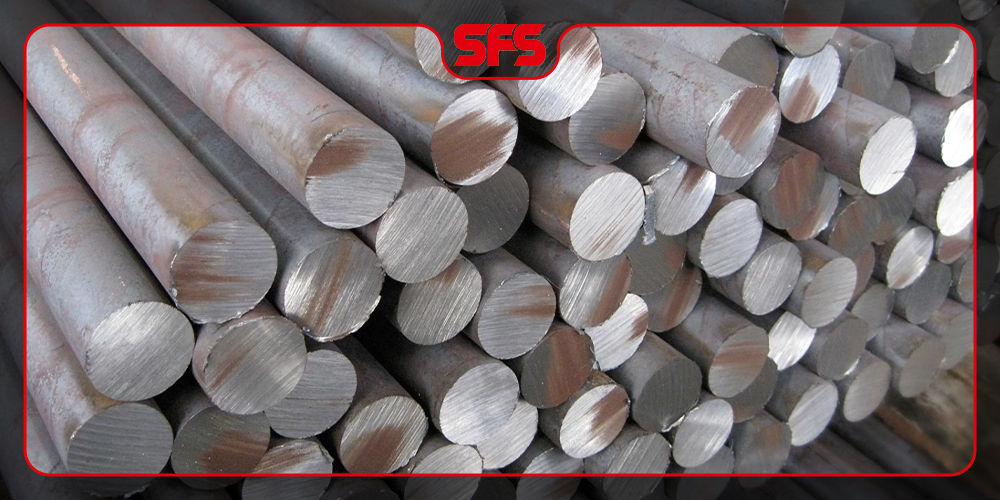
Properties and Technical Specifications of Plain Rebar
Plain rebar offers a range of features that make it suitable for various industrial applications, including:
-
High ductility and formability
-
Adequate tensile strength and yield stress
-
Excellent weldability
-
Non-brittle with high flexibility
Technical Details
-
Designation: A1
-
Material: Low-carbon steel
-
Manufacturing Standards: ASTM, JIS, DIN, ISO
-
Standard Length: 12 meters
-
Weight Range: From 700 grams to 120 kilograms, depending on the diameter.
Plain Rebar Weight
There are three primary methods to calculate or determine the weight of plain rebar:
-
Online Rebar Weight Calculators
Websites such as Shahin Felez Sepahan offer tools where you can enter the diameter and length of the rebar to calculate its weight easily. -
Weight Calculation Formula
You can also use the following formula to calculate the weight manually:
Weight = (Diameter × 3.14 × Length × 7.8) ÷ 1000 -
Weight Charts
Rebar weight charts are another reliable method, showing the weight of rebars across different sizes. A detailed weight chart for plain rebar is provided below:
| Nominal Diameter (mm) | Unit Weight (kg/m) | 6-Meter Length (kg) | 12-Meter Length (kg) |
|---|---|---|---|
| Plain Rebar-3 | 0.065 | 0.39 | 0.78 |
| Plain Rebar-3.5 | 0.075 | 0.45 | 0.9 |
| Plain Rebar-4 | 0.099 | 0.594 | 1.188 |
| Plain Rebar-5 | 0.154 | 0.924 | 1.848 |
| Plain Rebar-5.5 | 0.187 | 1.122 | 2.244 |
| Plain Rebar-6 | 0.222 | 1.332 | 2.664 |
| Plain Rebar-6.5 | 0.261 | 1.566 | 3.132 |
| Plain Rebar-8 | 0.395 | 2.37 | 4.74 |
| Plain Rebar-10 | 0.617 | 3.702 | 7.404 |
| Plain Rebar-12 | 0.888 | 5.328 | 10.656 |
| Plain Rebar-14 | 1.175 | 7.05 | 14.1 |
| Plain Rebar-16 | 1.578 | 9.468 | 18.73 |
| Plain Rebar-18 | 1.998 | 11.988 | 23.976 |
| Plain Rebar-20 | 2.456 | 14.736 | 29.472 |
| Plain Rebar-22 | 2.984 | 17.904 | 35.808 |
| Plain Rebar-25 | 3.853 | 23.118 | 46.236 |
| Plain Rebar-28 | 4.824 | 28.944 | 57.888 |
| Plain Rebar-30 | 5.549 | 33.294 | 66.588 |
| Plain Rebar-32 | 6.313 | 37.878 | 75.756 |
| Plain Rebar-36 | 7.990 | 47.94 | 95.88 |
| Plain Rebar-40 | 9.865 | 59.19 | 118.38 |
Applications of Plain Rebar
The only difference between plain and deformed rebar lies in the presence or absence of surface ribs (deformations). This seemingly simple variation leads to significant differences in their performance in structural applications.
For example, deformed rebar is commonly used in foundations due to its enhanced bonding with concrete, which significantly increases structural integrity. On the other hand, plain rebar lacks such mechanical anchorage and therefore exhibits lower tensile bonding strength with concrete, limiting its use in load-bearing or critical structural components.
Leading Manufacturers
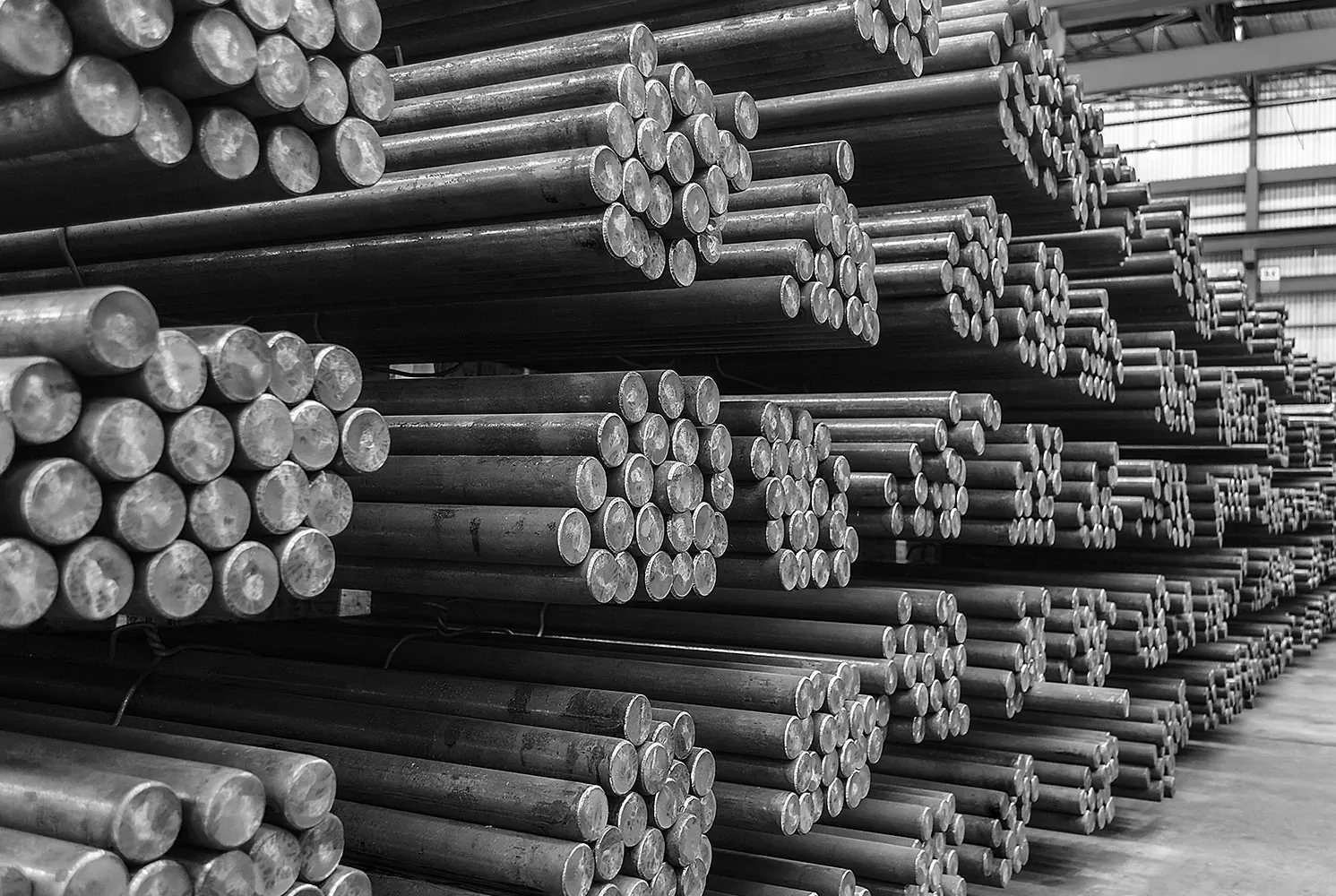
Numerous steel mills in Iran manufacture rebar, including plain types. The most reputable ones that adhere to international quality standards include:
-
Esfahan Steel Company (Zob Ahan)
-
Abarkooh Yazd
-
Zagros Shahrekord
-
Neyshabur
-
Bardsir Kerman
-
Bafq Yazd
-
Sayad-e Abhar
-
Golestan
-
Shahin Bonab
Price of Plain Rebar
The price of plain rebar, like other steel sections, is never fixed and fluctuates based on several factors:
-
Raw Material Costs
The price of billets, a key input in steel production, directly impacts the final rebar price. Higher billet prices lead to increased rebar costs. -
Transportation Distance
The geographic distance between the manufacturing site and the construction project location affects the total cost due to varying fuel prices. -
Production Process and Equipment
Hot rolling, the process used to manufacture rebar, involves specific machinery and technology that also influence pricing.
How to Buy Plain Rebar
To purchase plain rebar, simply browse the available products listed on the Shahin Felez Sepahan website. Choose the desired manufacturer and specify the required diameter. You can then place your order online.
For professional consultation regarding material selection for your project, our sales experts are available daily to assist you.
📞 Contact us now to place your order.

